Ed Sheeran, Britten, and beyond: Suffolk’s influence on modern wedding playlists
Message usA region where musical identity runs quietly in the background
Suffolk’s musical identity doesn’t present itself loudly, but it has a way of settling into the background of events across the county. The connection spans generations, from the enduring influence of Benjamin Britten along the Aldeburgh coastline to more contemporary figures like Ed Sheeran, whose ties to Framlingham remain widely recognised. These aren’t references that dominate a wedding day, but they do shape the wider expectations around live music and playlists in subtle, lasting ways.
In places like Aldeburgh, where music has long been part of the cultural fabric, there’s an understanding that live performance can sit comfortably within a setting rather than needing to define it. That same attitude appears at weddings and private events across Suffolk, where music is often approached with a sense of balance rather than spectacle. It becomes part of the atmosphere, not separate from it.
How regional influence appears in wedding music choices
The impact of this heritage shows up most clearly in how playlists are structured. Suffolk weddings rarely lean too heavily in one direction. Instead, there’s often a steady progression between styles, reflecting both the mix of guests and the region’s broader musical awareness. A set might move easily from something contemporary into a more classic arrangement, without feeling like a deliberate shift.
Bands such as Chasing Jupiter or The Parklife are used to navigating this kind of range, building sets that feel cohesive even as the genres vary. It’s not unusual for certain tracks associated with artists like Ed Sheeran to appear during the evening, particularly where they hold personal significance for the couple. These moments tend to be woven into the set rather than singled out, maintaining the overall flow of the night.
There’s also a noticeable appreciation for live interpretation. In a region shaped by both classical and modern influences, guests are often receptive to familiar songs presented with a slightly different feel. That openness allows bands to shape their performances in a way that feels responsive rather than fixed.
A playlist shaped by place as much as preference
What emerges is a style of wedding music that feels grounded in its surroundings. Suffolk’s mix of coastline, countryside, and historic towns encourages a pace that doesn’t rely on constant momentum. Instead, the evening builds in stages, with music reflecting that progression rather than pushing against it.
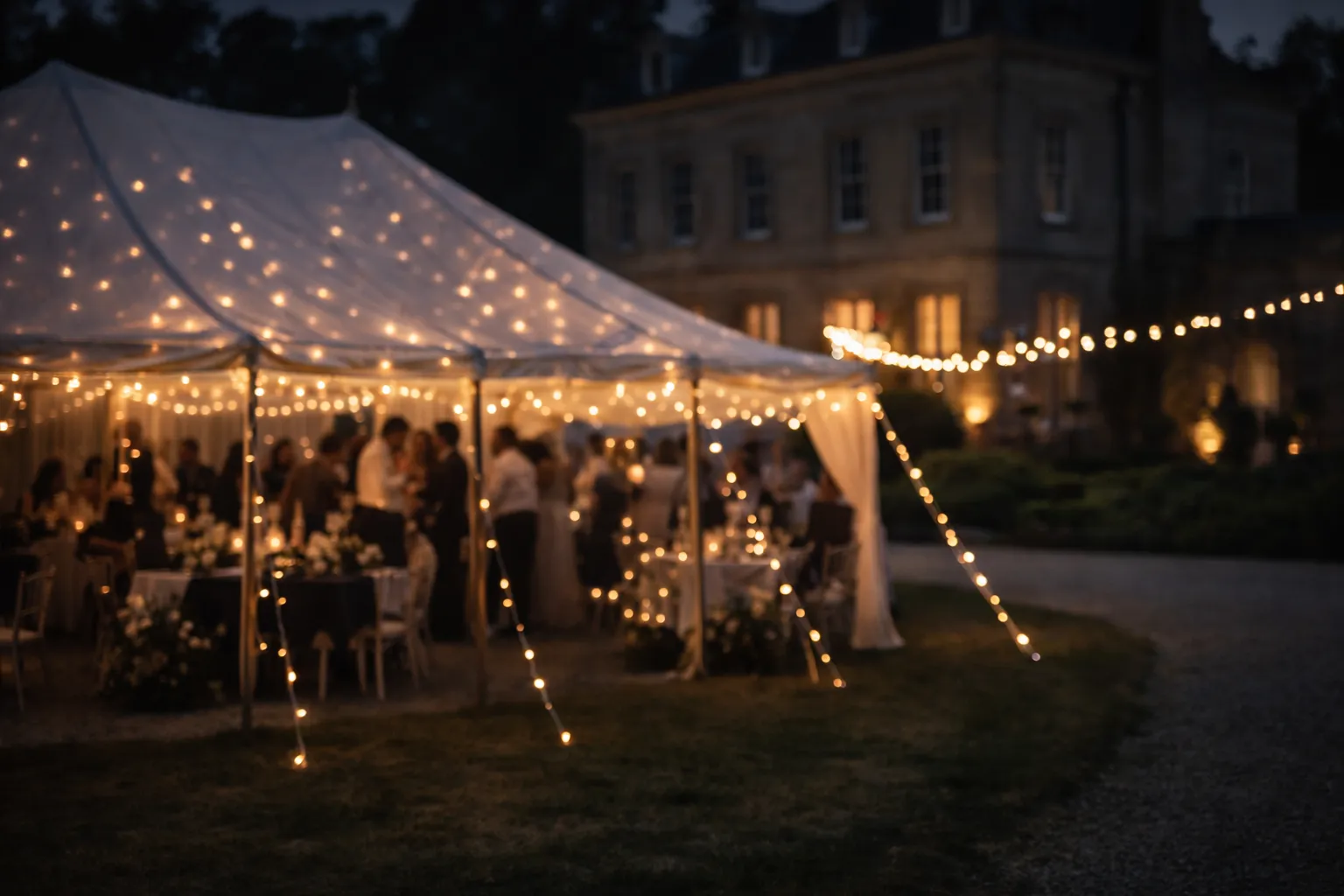
This is particularly noticeable in venues where the day has already unfolded across multiple spaces — outdoor areas, reception rooms, and quieter corners where guests have gathered earlier on. By the time the music becomes the central focus, it’s working within a setting that already has its own rhythm.
In that context, the influence of Suffolk’s musical heritage is less about specific artists or songs, and more about expectation. There’s an understanding that music should feel integrated, adaptable, and aware of its surroundings. Whether shaped by long-standing traditions or more recent cultural figures, that approach continues to define how wedding playlists take shape across the county.
More Articles View all+


What your guests do between events: Suffolk wedding weekends beyond the venue

Sound limits and curfews: what to expect from live music at Suffolk venues